
Are Smart Washers and Dryers Worth Buying?
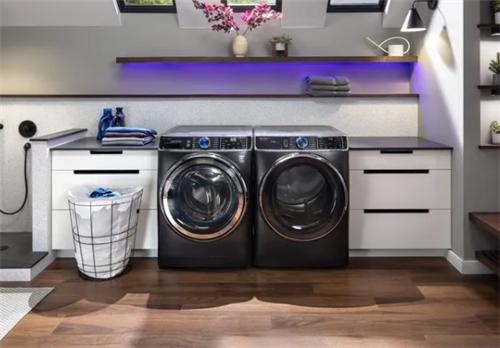
Smart washers and dryers, once seen as a futuristic idea, are now widely accessible, offering exceptional convenience, efficiency, and even a hint of luxury. But is the investment in these advanced appliances truly worthwhile? This article takes a closer look at smart laundry systems, examining their advantages, drawbacks, and overall worth to help you determine whether they are the right fit for your home.
The Rise of the Connected Laundry Room:
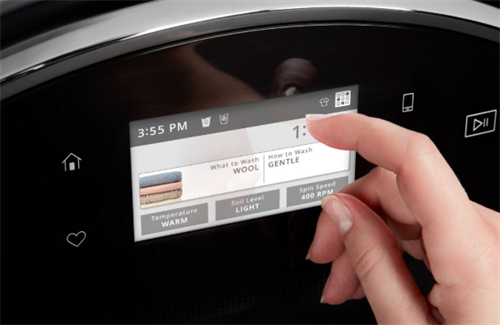
Smart appliances are a key component of the growing trend toward home automation and the Internet of Things (IoT). Modern washers and dryers come with Wi-Fi connectivity, letting users manage them through smartphone apps. This allows you to start, pause, or stop cycles remotely, get alerts when laundry is done, and even download specialized programs for different fabric types. With the addition of Artificial Intelligence (AI) and advanced sensors, these machines go beyond simple connectivity—they can automatically adjust settings according to the load’s size, fabric, and level of soiling.
Unveiling the Benefits: More Than Just Clean Clothes
1. Enhanced Convenience and Time Savings
For busy households, the ability to manage laundry remotely is a significant game-changer. Imagine starting a wash cycle while you're still at the office or being alerted the moment the dryer is done, preventing clothes from sitting damp and becoming wrinkled. This remote control functionality eliminates the need to constantly check on laundry progress, freeing up valuable time.
Furthermore, many smart models boast reduced cycle times. For instance, Samsung's Bespoke All-in-One washer is noted for its swift laundry cycles, while Haier's Yunxi 3.0 series can complete a wash in a notably efficient manner 12. This efficiency is a major advantage for those with hectic schedules.
2. Superior Cleaning and Fabric Care
Modern smart washers go far beyond simple agitation. They employ advanced technologies to ensure clothes are not just clean, but also cared for. Key innovations include:
AI Fabric Sensors: Models like the LG WashTower use AI to detect fabric type and soil level, automatically selecting the optimal wash cycle 1.
Specialized Cycles: Many offer a vast array of programs. The Haie yunxi 3.0 provides up to 16 professional care programs for delicate fabrics like wool, silk, potentially eliminating the need for expensive dry cleaning 2.
Gentle Handling: Features like Haier's Direct Drive Inverter Motor provide stable and quiet operation, reducing wear and tear on clothes and the machine itself 2.
3. Advanced Drying and Wrinkle Prevention
The dryer segment has arguably experienced even greater advancements.Traditional drying methods often involved high heat that could damage fabrics and leave clothes crumpled. Smart dryers address this with:
Heat Pump Technology: This forms the foundation of contemporary drying methods.Found in models from Haier, Midea, and others, it uses a refrigerant system to dry clothes at lower temperatures, which is gentler on fabrics and far more energy-efficient.Haier’s Dual Engine Heat Pump serves as a prime example.
1:1 Positive & Reversal Drying: This feature, available in products like the Midea Aurora Dryer and Haier's models, makes the drum reverse direction periodically to prevent clothes from tangling, ensuring even drying and significantly reducing wrinkles 210.
Steam and Air Refresh Cycles: Some high-end models offer steam functions to refresh and de-wrinkle clothes without water, perfect for delicate items or refreshing outfits between wears 2.
4. Impressive Energy and Water Efficiency
In an age of rising utility costs and environmental awareness, the efficiency of smart washers and dryers is a major selling point. A number of models carry energy efficiency certifications, such as ENERGY STAR.
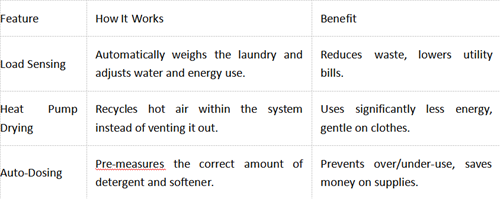
Load Sensing: Models like the Midea Agitator Top Load Washer automatically adjust water usage based on the load size, conserving resources 1.
Heat Pump Dryers: As mentioned, these are vastly more efficient than traditional vented or condenser dryers. Haier claims their heat pump technology can achieve energy savings of over 60% compared to traditional electric heating methods 2.
Table: Key Efficiency Features in Smart Laundry Systems
5. Hygiene and Allergy Relief
For families with allergies, infants, or health concerns, smart appliances offer powerful hygiene features.
Steam Sanitization: High-temperature steam cycles can eliminate up to 99.9% of bacteria and allergens like dust mites, a feature highlighted in Haier's product descriptions 2.
Self-Cleaning: Many smart washers have self-cleaning cycles that use steam or high-temperature water to clean the drum and eliminate mold and mildew buildup, ensuring a cleaner wash for the next load.
Dedicated Cycles: The ability to separately wash items like baby clothes, gym wear, and underwear—a key advantage of multi-drum units like the Hisense Three-Drum Washer—helps prevent cross-contamination 8.
Considering the Drawbacks: The Other Side of the Coin
Despite their advanced features, smart washers and dryers are not without their potential drawbacks.
Higher Upfront Cost: The technology and complexity of these machines come at a premium. They are undoubtedly more expensive to purchase than their traditional counterparts.
Longer Cycle Times: Some models, particularly all-in-one washer-dryer combos, can have lengthy cycle times, especially when running a full wash-and-dry cycle. The GE Profile Smart Combo, for instance, is noted for longer laundry times.
Potential Connectivity Issues: As with any IoT device, you are reliant on a stable Wi-Fi connection and the manufacturer's app, which could potentially experience bugs or become outdated over time.
Maintenance Complexity: While features like self-cleaning exist, if a sophisticated component like a sensor or the AI system fails, repairs can be more complex and costly than with a basic machine.
The Verdict: Who Are They For?
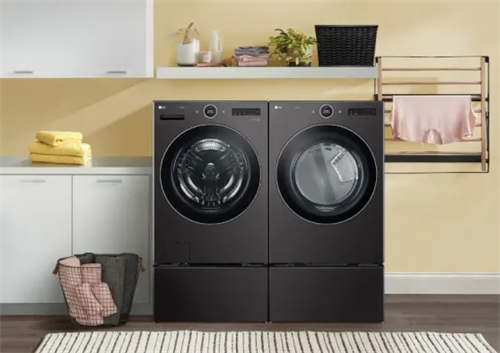
So, are smart washers and dryers worth it? The answer is not a simple yes or no; it depends entirely on your household's needs, values, and budget.
1. They Are Likely WORTH IT If
Your Time is Precious: The convenience of remote monitoring, cycle notifications, and time-saving features is invaluable for busy professionals, large families, and dual-income households.
You Value Fabric Care: If you invest in high-quality clothing, linens, or have delicate items that require special care, the advanced sensors and specialized cycles will help protect your investments.
Energy Efficiency is a Priority: The long-term savings on water and electricity bills can help offset the higher initial purchase price, especially with heat pump dryer technology.
You Have Space or Allergy Constraints: For homes without outdoor drying space or for families dealing with allergies, the sanitization and indoor drying capabilities are a major health and lifestyle benefit.
2. You Might WANT TO RECONSIDER If
Your Budget is Tight: The initial investment is substantial, and if you are on a strict budget, a traditional, reliable model may be a more financially sensible choice.
You Are Not Tech-Savvy: If you prefer simplicity and have no desire to use smartphone apps to control your appliances, the core value proposition of a smart machine may be lost on you.
You Need Very Fast Drying: Some all-in-one combos still struggle with drying efficiency. If speed is your absolute priority, a separate, traditional vented dryer might still be the fastest option.
The smart washer and dryer represent more than just an appliance upgrade; they are an investment in a more convenient, efficient, and comfortable lifestyle. While the higher initial cost and potential complexity are valid considerations, the benefits—significant time savings, exceptional fabric care, reduced energy consumption, and enhanced hygiene—are powerful and real.For the modern household that views laundry not as a chore but as an integrated part of a managed, efficient home, the value is clear.
RELATED GUIDES

The Ultimate Guide to Furniture Buying: From Style Selection to Quality Inspection
You've finally decided it's time. That hand-me-down couch with the mysterious stain or the wobbly bookcase that's been with you since college has overstayed its welcome.
Home Improvement Color Matching Guide: How Natural Light Shapes Interior Color Choices
When it comes to home decor, color isn’t just about personal taste—it’s a dynamic element that shifts and evolves with the light streaming through your windows.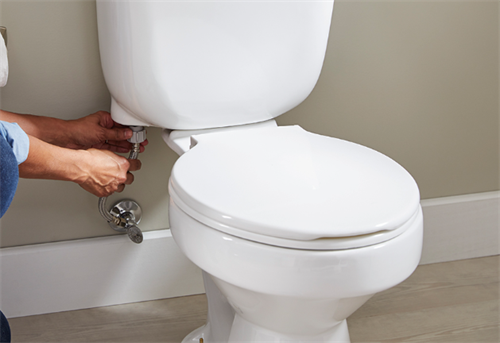
Is your toilet leaking? A simple DIY guide to fix uneven water flow in the toilet, saving you money and more money
The toilet tank is constantly refilling, or worse, water is steadily flowing into the bowl. Your first thought is one of pure dread—not just for the annoyance, but for the impending plumbing bill.
A Guide to Washing Machine and Dryer Upkeep
As early autumn’s chill sets in, line-drying clothes becomes a hassle—making washers and dryers essential for modern households.