The Ultimate Guide to Furniture Buying: From Style Selection to Quality Inspection
You've finally decided it's time. That hand-me-down couch with the mysterious stain or the wobbly bookcase that's been with you since college has overstayed its welcome. You’re prepared to choose pieces that genuinely reflect your style and are built to last. But as you start browsing, you're hit with a wave of questions. How do you choose a style that won't feel dated in a year? How can you tell if that beautiful table is well-made or destined to fall apart? And most importantly, how do you make such a big purchase without drowning in regret?
Buying furniture can feel overwhelming. It's a blend of aesthetics, finance, and practicality—a decision that sits in your home for years to come. But it doesn't have to be stressful. With some guidance, you can explore showrooms and online stores confidently. This guide will walk you through the entire process, from discovering your personal style to conducting a thorough quality check, ensuring you bring home pieces you'll love for a lifetime.
Step 1: The Foundation - Discovering Your Style (Before You Spend a Dime)
Before you measure an inch or look at a price tag, the most important work happens away from the store. You need to identify your true preferences. Your home should reflect your personal story, not the staged image of a catalog.
Start by Looking Within: Take a relaxed inventory of your existing space. Which pieces do you truly love? Which feel out of place? Broaden your perspective beyond furniture—consider your favorite clothing, the artwork that captivates you, or the ambiance of hotels and restaurants you admire. Are you drawn to clean lines, cozy textures, bold colors, or serene neutrals? This isn't about defining yourself with a single label like "bohemian" or "industrial." Most people's tastes are a blend. Embrace that.
Create a Digital Mood Board: Use Pinterest or Instagram's save feature. Don't overthink it—just save every image that makes you pause. After you have 50 or so pins, look for patterns. Do you keep saving rooms with light wood? Deep, jewel-toned walls? Plush, inviting sectionals? The common threads will reveal your authentic style more than any quiz ever could.
Consider Your Lifestyle: Style must meet reality. A pristine white velvet sofa might be your dream, but if you have kids and a dog, it could become a source of daily anxiety. Be honest about how you live. Do you entertain often? Need dedicated workspaces? Love to sprawl out and nap? Your furniture should serve your life, not fight against it.

Step 2: The Blueprint – Measuring and Planning Your Space
How often have we fallen for a piece of furniture, only to bring it home and discover it’s either comically oversized or awkwardly tiny for the room? This common mistake is completely avoidable.
Measure Carefully Before Buying: Take a tape measure and record the following:
The Room: Measure the full length and width of your space, noting the positions of doors, windows, radiators, air vents, and light switches.
The Pathway: Take measurements of doorways, hallways, and staircases that the furniture will need to navigate.There’s nothing more frustrating than a perfect sofa that simply won’t fit into your living room.
The Furniture: Once you spot a piece you like, record its measurements.Don't rely on your eyes—a huge showroom can make a massive armoire look small.
Create a Floor Plan: You don't need fancy software.Mark the furniture’s footprint on the floor using painter’s tape.Walk around it and experience the space for a full day before deciding. Does it block a natural pathway? Does it make the room feel cramped? This simple trick saves countless headaches.
Think in 3D: Remember scale and proportion. A large, heavy rug can anchor a room, while a too-small one can make everything feel adrift. A tall bookshelf can accentuate high ceilings, but it may feel overpowering in a small, cozy den.
Every retailer serves a different purpose. Understanding the landscape helps you shop smart.
Fast-Furniture Chains: Great for trendy accessories, small accents, or temporary solutions. Quality can vary widely, so examine each piece thoroughly before purchasing. Perfect for when you need something now and aren't worried about heirloom status.
Big-Box Stores: Offer a wide range of styles and prices, often with good sales. Quality can be a mixed bag, but many are stepping up their game with better materials and transparency.
Specialty & High-End Stores: Here, you're often paying for better construction, higher-quality materials, and unique design. Salespeople are typically more knowledgeable. This is the place for investment pieces like a solid wood dining table or a quality sofa.
Vintage & Antique Stores: The ultimate source for character and unique finds. You can often find beautifully crafted, historically rich pieces at a fraction of the cost of new furniture—seek out solid wood construction and items that can be reasonably repaired.
Custom & Artisanal Makers: Ideal if you have a clear vision, require a unique size, or want input on material choices. Here, you’re investing in skilled craftsmanship and a piece that fits perfectly.

Step 4: Quality Check – Identifying Well-Made Pieces and Steering Clear of Junk
This is the most crucial skill you can develop. Look beyond the surface glamour to see what a piece is really made of.
For Upholstered Furniture (Sofas, Chairs):
The Frame: This is the skeleton. Hardwoods like oak, maple, and walnut are among the best options.Avoid softwoods like pine and any mention of particleboard or MDF in the frame, as they won't hold up to long-term stress.
The Joinery: How are the corners connected? Check for dowels, double dowels, or mortise-and-tenon joints, as these provide solid construction.
The Springs: Eight-way hand-tied springs are the gold standard for comfort and longevity, but they are rare and expensive. Sinuous, or "S"-shaped, springs are a widely used and reliable alternative. Feel the underside—you should feel firm support. Sit down. You shouldn't bottom out or feel any poking.
The Cushions: High-resilient (HR) foam is durable and supportive. Down blends are luxuriously soft but require fluffing. Ask about foam density—a density rating of 1.8 and above is good for seats. Feel the weight of a cushion; heavier often indicates higher quality.
For Tables and Casegoods (Dressers, Bookshelves):
The Wood: Look for solid wood or furniture-grade plywood for the primary structure. Veneers (thin slices of real wood over a core) are not inherently bad—they allow for beautiful grain matching and prevent warping. The key is that the core underneath should be solid wood or plywood, not particleboard.
The Drawers: This is a major telltale sign of quality. Open them.
Dovetail Joinery at the corners is the strongest and indicates careful craftsmanship.
Side-Mounted Glides (like those from Blum or Grass) allow for smooth, full-extension operation and are a sign of quality.
The drawer should feel substantial, not flimsy, and glide smoothly without wobbling.
The Back: A finished back that is attached securely (not just stapled on) shows attention to detail.
General Tips:
The Wiggle Test: Gently wobble the piece. A well-made item should feel solid and not rack (shift out of square) easily.
Finish: Look at the finish on all sides. It should be even, with no drips, bubbles, or rough spots. Check that doors and drawers are aligned.
Step 5: The Final Step - Making the Purchase and Beyond
You've found the perfect, well-made piece. Now what?
Read the Reviews: See what long-term owners have to say. Do they mention fading, sagging, or breaking after a year?
Understand the Warranty: What does it actually cover? A good warranty on a sofa might be 5+ years on the frame and 1-2 on cushions and fabric.
Ask About Returns: What is the policy? Who is responsible for the return shipping costs on a bulky item? Is it final sale?
Protect Your Investment: Consider your needs when choosing fabric. Performance fabrics from companies like Sunbrella or Crypton are miracle workers for resisting stains and fading, ideal for homes with pets or kids.
Buying furniture is a journey. It's perfectly okay—even advisable—to take it slow. Invest in your key pieces first (like a great sofa and bed) and build around them over time. Your home is a living, evolving space. By focusing on quality, function, and what truly brings you joy, you'll create a home that's not only beautiful but also built to last.
RELATED GUIDES

Are Eco-friendly Paints Really 'Zero Formaldehyde'?
If you've ever walked down the paint aisle at your local home improvement store lately, you've probably noticed something.
Is Your Sofa Toxic? Understanding Flame Retardants and How to Avoid Them
You’ve probably spent more time on your sofa over the past few years than ever before. It’s been your office, your movie theater, your weekend nap zone, and the spot where you unwind after a long day.
5 Furniture Items You Might Regret—and the Reasons Why
We all want our homes to be visually appealing, radiate warmth and comfort, and operate efficiently so that everyday life feels effortless and enjoyable.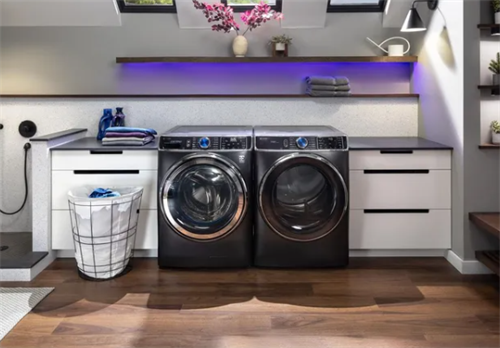
Are Smart Washers and Dryers Worth Buying?
In today's world, where technology has become an integral part of every aspect of our daily lives, from smartphones to smart homes, even the laundry room has embraced innovation.