
How Ceiling Height Shapes Your Home—and Your Mind?
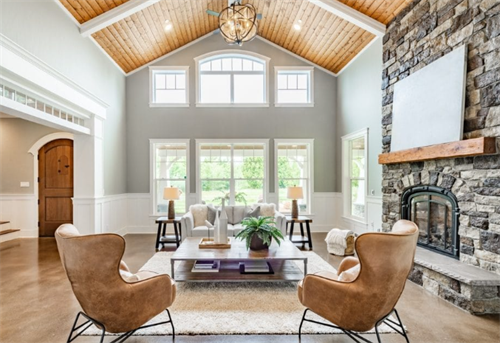
When considering home decor, you likely imagine paint shades, furniture arrangements, or comfy throw pillows.Rarely do we pause to look up—at the ceiling, that quiet, ever-present element that hangs over every moment of our daily lives. But here’s a surprising truth: the height of your ceiling does more than just define a room’s dimensions. It can affect your mood, alter your decision-making, and even shape how you experience the world around you.
Do High Ceilings Make You Feel Free? Science Says Yes
In 2007, researchers at the University of Minnesota’s Carlson School of Management, led by Professor Joan Meyers-Levy, set out to answer a simple question: Can ceiling height affect how “free” or “confined” we feel—and if so, does that change our behavior? Their findings, published in the Journal of Consumer Research, were eye-opening.
The study brought 32 college students into four identical rooms—two with ceilings 2.44 meters (8 feet) high, and two with ceilings 3.05 meters (10 feet) high. The students were told they’d be completing two unrelated tasks (a common “white lie” in psychology studies to avoid biasing results). First, they were asked to wait while the experimenters “adjusted equipment”—giving them time to unconsciously absorb the room’s height. Then, they rated their current mood on a scale of 1 to 7, with questions measuring feelings like “I feel free” or “I feel restricted.”
Next came the second task: unscrambling jumbled letters to form words. Some of the target words were tied to freedom (“liberated,” “unlimited,” “emancipated”), others to constraint (“bound,” “restrained,” “restricted”), and some were neutral. The results were clear:
Students in rooms with high ceilings completed the “freedom” word unscrambling tasks more quickly.Students in the low-ceiling rooms reacted more quickly to the “constraint” words.
In short, the ceiling didn’t just look higher or lower—it made people feel more free or confined. That’s the power of environmental psychology: our surroundings don’t just exist around us—they seep into our thoughts and shape our reactions.
How Ceiling Height Changes How You See the World?
The Minnesota study didn’t stop there. The researchers wanted to know: If ceilings affect our sense of freedom, do they also change how we process information? To find out, they ran a second experiment with the same high- and low-ceiling rooms.
This time, participants were shown photos of products—think sleek vases or smooth furniture—that had an overall streamlined look but small, rough flaws in the details. They were asked to describe and rate the items. The difference was striking:
People in high-ceiling rooms focused on the big picture. They described the products as “smooth” and “elegant,” barely mentioning the small flaws.
People in low-ceiling rooms zoomed in on the details. They fixated on the rough spots, calling the products “imperfect” or “low-quality.”
Why? The researchers explained it like this: High ceilings trigger a sense of “mental freedom.” When we feel unconfined, our brains are more likely to make broad, creative connections—we see the forest, not the trees. In contrast, low ceilings encourage a “focused” or “constrained” mindset.Our focus narrows, and we zero in on small, specific details (sometimes to a fault).
A third experiment confirmed this. Participants in high-ceiling rooms performed better at free recall—remembering a list of words without prompts—while those in low-ceiling rooms excelled at cued recall, recalling words when provided with related hints.It’s a small yet meaningful distinction: high ceilings encourage big-picture thinking, whereas low ceilings enhance focus on details.
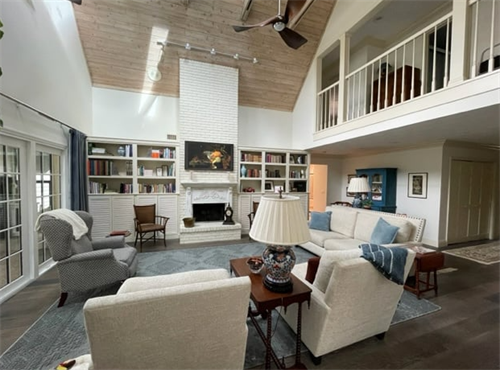
What This Means for Your Home?
These studies go beyond academics—they serve as a guide for creating a home that aligns with your lifestyle.hink about how you use each room, then let ceiling height guide your choices:
-Home offices or creative spaces: If you work in a field that requires big-picture thinking (writing, graphic design, entrepreneurship), a high-ceiling room will fuel your creativity. The sense of freedom will help you brainstorm and connect ideas.
-Home gyms or meditation nooks: High ceilings can enhance feelings of calm and openness—perfect for yoga or meditation. They also make small workout spaces feel less cramped during a sweat session.
-Kitchens or craft rooms: Low ceilings (within reason!) might be a secret weapon here. If you’re measuring ingredients for a recipe or working on a detailed craft project, the narrowed focus triggered by lower ceilings can help you stay precise.
-Bedrooms: It depends on your style. High ceilings can make a bedroom feel airy and luxurious (great for light sleepers who hate feeling “boxed in”), while slightly lower ceilings can create a cozy, cocoon-like vibe (ideal for anyone who wants to feel safe and snug at night).
Practical Design: Making the Most of Your Ceiling Height
Not everyone gets to build a home from scratch—and that’s okay. Whether you’re dealing with a 2.4-meter (8-foot) ceiling in a rental or a 3-meter (10-foot) ceiling in a new build, there are ways to enhance what you have.
For Low Ceilings: Avoid “Cramped” and Embrace “Cozy”
-Choose the right materials: Products like integrated wall panels (popular in modern design) are a game-changer. Unlike conventional drywall, which usually requires wooden furring strips that increase thickness, these panels attach directly to bare walls and measure only about 1 centimeter thick.They can reclaim 5–10 centimeters of vertical space—enough to make a low ceiling feel noticeably roomier.
-Paint strategically: Use light, cool colors (soft white, pale blue) on ceilings and walls. Dark shades soak up light, making ceilings seem lower, while lighter tones reflect light and add a sense of height. 3. For an added effect, paint the ceiling 1–2 shades lighter than the walls—subtle to the eye, yet it makes the room feel more open.
-Skip heavy fixtures: Avoid large, droopy chandeliers that hang low. Opt for slim, flush-mount ceiling lights or recessed lighting instead. They illuminate the space while keeping the ceiling feeling light and unburdened.
Use vertical lines: Hang curtains from the top of the ceiling (not just the top of the window) and let them pool slightly on the floor. Add tall bookshelves or floor mirrors—vertical elements trick the eye into thinking the room is taller than it is.
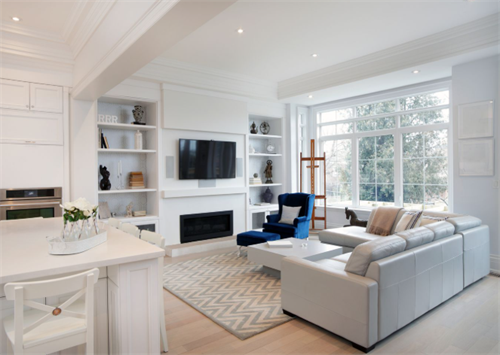
For High Ceilings: Balance “Grand” and “Inviting”
High ceilings are luxurious, but they can also feel cold or empty if not styled right. Here’s how to warm them up:
Add layers: Use pendant lights or chandeliers (now’s the time for those statement pieces!) to break up the height. Hang them 75–90 centimeters above a dining table or 2.1 meters above the floor in a living room—low enough to feel intimate, but high enough to avoid feeling clunky.
Incorporate texture: Use wood beams, coffered ceilings (square or rectangular recessed panels), or exposed brick on walls. These elements add warmth and visual interest, preventing high ceilings from feeling like a “void.”
Scale furniture to fit: A tiny sofa in a high-ceiling room will look lost. Opt for larger, chunkier pieces (a sectional sofa, a tall bookshelf) to fill the space. Hang floor-to-ceiling curtains or artwork to create a visual connection between the ceiling and the floor.
Trendy Ceiling Designs to Elevate Any Space:
Ceiling height isn’t the only factor—style matters too. Here are three popular ceiling designs (from Porter Davis and other leading builders) that work with any height:
1. Coffered Ceilings (Grid Ceilings)
Think of these as “ceiling panels with depth.” Coffered ceilings feature recessed squares or rectangles, often framed with wood trim. They bring a sense of structure and sophistication to formal areas such as dining rooms or home offices. Even in a low-ceiling room, shallow coffers can create visual interest without making the space feel smaller. For high ceilings, deeper coffers add drama and warmth.
2. Vaulted Ceilings (Arched Ceilings)
Vaulted ceilings slope upward from the walls to a peak, creating a curved, cathedral-like effect. They’re perfect for single-story homes or rooms with sloped roofs (like attics converted into bedrooms). Vaulted ceilings don’t just look beautiful—they also maximize vertical space, making small rooms feel open. Pair them with skylights to enhance the flow of natural light.
3. Double-Height Ceilings (Two-Story Ceilings)
These are the ultimate in luxury: ceilings that span two floors, often in open-concept living rooms or foyers. They’re most common in large, two-story homes, but they can also work in smaller spaces if done right. Double-height ceilings make a bold first impression—just be sure to add large artwork or a statement chandelier to fill the vertical space (otherwise, it might feel empty).
Your ceiling is more than just a “top” to your room—it’s a design element that can shape your mood, your productivity, and even your happiness. Whether you’re dealing with a low ceiling or a high one, the key is to work with what you have: use materials that save space, paint that tricks the eye, and fixtures that balance grandeur with coziness.
RELATED GUIDES
5 Furniture Items You Might Regret—and the Reasons Why
We all want our homes to be visually appealing, radiate warmth and comfort, and operate efficiently so that everyday life feels effortless and enjoyable.
The Ultimate Guide to Furniture Buying: From Style Selection to Quality Inspection
You've finally decided it's time. That hand-me-down couch with the mysterious stain or the wobbly bookcase that's been with you since college has overstayed its welcome.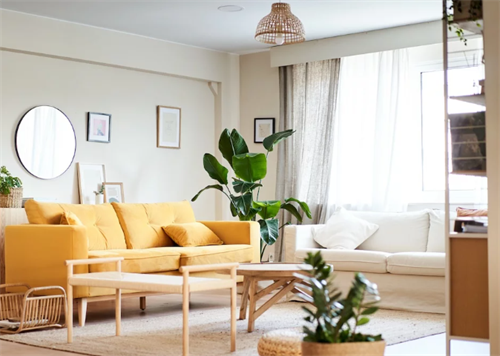
Home Improvement Color Matching Guide: How Natural Light Shapes Interior Color Choices
When it comes to home decor, color isn’t just about personal taste—it’s a dynamic element that shifts and evolves with the light streaming through your windows.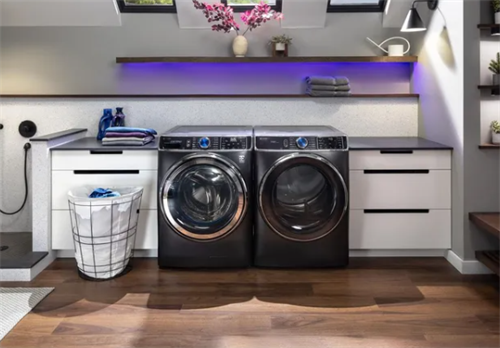
Are Smart Washers and Dryers Worth Buying?
In today's world, where technology has become an integral part of every aspect of our daily lives, from smartphones to smart homes, even the laundry room has embraced innovation.