
Whole House Audio vs. Smart Speakers: Which Audio System Is Right for You?
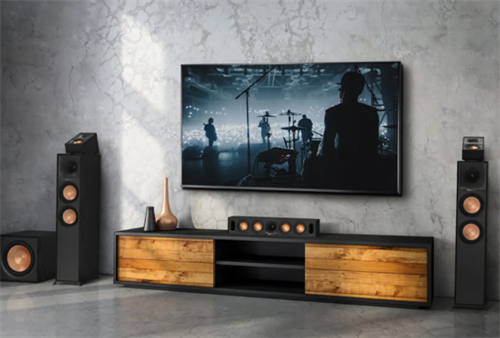
Music isn’t merely background—it can shape the atmosphere, influence your mood, and enrich daily life.As technology has advanced, homeowners now have multiple ways to enjoy audio throughout their homes. Two of the most popular options are whole house audio systems and smart speakers. While both deliver music to multiple rooms, their approaches, features, and costs differ significantly. Understanding the differences can help you choose the system that best fits your home, lifestyle, and budget.
What Is a Whole House Audio System?
Whole house audio, also known as multi-room audio, is a professionally installed system designed to provide high-quality sound throughout your home. These systems use a combination of amplifiers, centralized audio sources, and strategically placed speakers—often in walls or ceilings—to deliver seamless audio coverage.
Key features include:
-Centralized Control: A single control panel or app allows you to manage audio throughout the home.
-Multi-Zone Playback: Different rooms can play different songs simultaneously, or you can synchronize music across all areas.
-High-Quality Sound: Larger, strategically placed speakers provide a more immersive listening experience than most standalone devices.
Whole house audio is perfect for homeowners looking for a durable, professional-quality sound system that blends seamlessly with their home’s design.
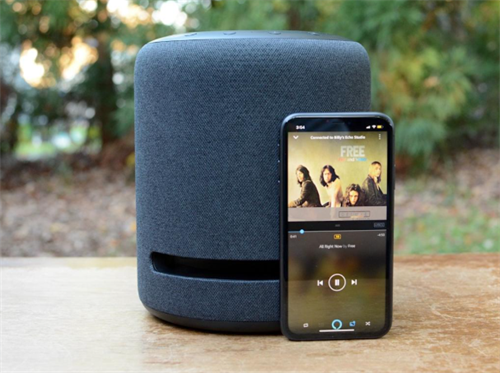
What Are Smart Speakers?
Smart speakers are compact, standalone devices that combine audio playback with voice assistant capabilities. Some of the well-known choices are Amazon Echo, Google Nest Audio, and Apple HomePod.These devices offer several advantages:
1. Voice Control: Use simple voice commands to play music, change the volume, or manage other smart home devices.
2. Streaming Integration: Access services like Spotify, Apple Music, and Amazon Music without extra equipment.
3. Easy Setup: Simply plug in and connect to Wi-Fi; no professional installation is required.
Smart speakers attract users seeking flexible, portable audio with the added convenience of voice control, making them a popular choice in contemporary homes.
Comparing the Two Systems:
Both options aim to provide audio throughout your home, but they differ in their approach and capabilities:
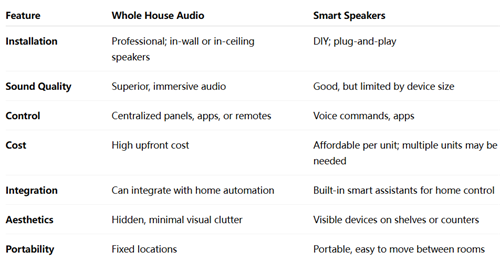
Understanding these differences can help homeowners decide based on their priorities: sound quality, convenience, or flexibility.
Advantages of Whole House Audio:
1. Superior Audio Quality
Whole house audio systems are engineered to deliver reliable, high-quality sound throughout the home.They use multiple speakers and amplifiers to deliver clear, immersive audio without distortion, even in large rooms. For music enthusiasts or those hosting parties, the difference is immediately noticeable.
2. Multi-Zone Control
One of the major benefits is multi-zone playback. You can listen to different music in different rooms or play the same track throughout the house.Volume can be set separately in each zone, providing a customized listening experience throughout the house.
3. Integration with Home Automation
Whole house systems can connect with lighting, thermostats, and security systems. For example, you could create a “wake-up” routine that gradually turns on lights while playing your favorite morning playlist, enhancing comfort and convenience.
4. Long-Term Reliability
High-quality components and professional installation make whole house audio systems durable. With proper maintenance, they can last for 15–20 years or more, providing consistent performance over time.
Advantages of Smart Speakers:
1. Quick and Simple Setup
Smart speakers are plug-and-play, requiring minimal setup. Simply connect to Wi-Fi, link your streaming services, and you’re ready to start listening. This ease of use is ideal for renters or anyone seeking a hassle-free audio solution.
2. Voice Control and Smart Home Integration
Smart speakers double as voice assistants, allowing you to control lights, thermostats, and security systems. The combination of audio and smart home functionality makes them versatile and convenient for modern living.
3. Portability
Unlike fixed whole house systems, smart speakers are portable. You can move them between rooms or even outdoors for flexible listening experiences. This adaptability is a major advantage for people who like to rearrange their spaces or host gatherings in multiple areas.
4. Cost-Effective Entry Point
Smart speakers are generally more affordable than professional audio installations. While multiple units may be required for full coverage, the total cost is often still lower than a whole house system. They offer a cost-effective way to enjoy multi-room audio without a major upfront investment.
Limitations to Consider:
1. Whole House Audio
-High Cost: Installation and equipment can be expensive.
-Less Flexible: Relocating speakers or adding zones usually requires professional assistance.
-Fixed Placement: Speakers cannot be moved easily, limiting portability.
2. Smart Speakers
-Limited Audio Quality: Small form factors can struggle in large rooms or open spaces.
-Network Dependence: Wi-Fi disruptions can interrupt playback.
-Device Management: Multiple units may require separate apps or accounts to function optimally.
Knowing these limitations helps homeowners make informed decisions about which system aligns with their lifestyle and expectations.
Placement and Coverage:
Correct placement is essential for optimal performance:
1. Whole House Audio: Speakers installed in walls or ceilings are positioned strategically to ensure even, balanced sound throughout the space.Common areas like living rooms, kitchens, and basements benefit most. Professional installers often conduct acoustic assessments to maximize coverage.
2. Smart Speakers: Position them on steady surfaces and keep them away from walls to prevent sound from being muffled. Ensure each speaker is within Wi-Fi range for reliable multi-room playback. Proper spacing reduces overlap and dead zones.
Whether using fixed or portable devices, placement significantly impacts audio quality.
Budget Considerations:
Cost plays a major role in decision-making:
1. Whole House Audio: Prices typically range from $2,000 to $10,000+, depending on the number of zones, speaker quality, and level of integration. While expensive upfront, these systems often increase home value and provide long-term performance.
2. Smart Speakers: Individual units range from $50 to $400. Multiple units may be necessary for whole-home coverage, but the total cost usually remains lower than professional systems.
Don’t forget to factor in subscriptions for streaming services, firmware updates, and occasional maintenance.
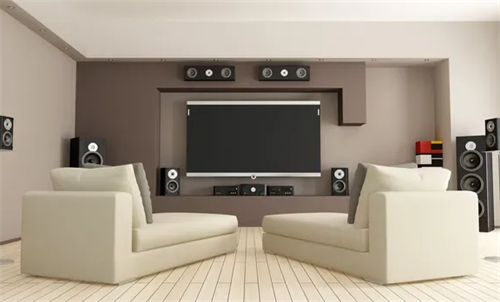
Choosing the Right System:
1. Audio Quality: Audiophiles and those hosting gatherings may prefer whole house audio. Casual listeners may find smart speakers sufficient.
2. Home Size: Large, multi-level homes benefit from professional multi-room setups, while apartments or smaller homes can rely on smart speakers.
3. Budget: Smart speakers offer flexibility and lower upfront costs; whole house audio requires a larger investment but offers long-term benefits.
4. Smart Home Integration: For voice control and automation, smart speakers are convenient. Professional systems can integrate with smart home technology but may need additional equipment.
5. Lifestyle: Homeowners who move frequently or want portable audio will appreciate smart speakers, whereas fixed installations benefit those seeking long-term performance.
Hybrid Approaches:
A hybrid setup can offer the best of both worlds:
1. Whole house audio in main living areas: Provides high-quality sound for entertaining or daily listening.
2. Smart speakers in bedrooms or secondary spaces: Offers portability, voice control, and direct access to streaming services.
This approach balances performance, convenience, and cost while maximizing coverage throughout the home.
Maintenance and Longevity:
1. Whole House Audio: Needs periodic professional maintenance, software updates, and attention to amplifiers.Properly maintained systems can last 15–20 years or longer.
2. Smart Speakers: Minimal maintenance is needed aside from software updates. However, technology evolves quickly, so older models may become obsolete sooner.
Understanding maintenance requirements ensures long-term satisfaction regardless of the chosen system.
Both whole house audio systems and smart speakers provide compelling ways to enjoy music and enhance your home environment.Whole house audio delivers unmatched sound quality, seamless multi-room playback, and long-term durability, making it ideal for audiophiles and those seeking a permanent solution.Smart speakers excel in convenience, portability, and smart home integration, appealing to casual listeners and those who prioritize flexibility.
Ultimately, the right choice depends on your priorities, home layout, and budget. For some, a hybrid approach may be the most effective solution: high-quality sound where it matters most, complemented by portable, voice-controlled devices in other areas. By carefully evaluating your needs and considering the trade-offs, you can create a home audio system that enriches your lifestyle and enhances your space.
RELATED GUIDES

Wall Stain Removal Guide—Make Your Home More Beautiful
Between the hustle and bustle of daily routines, the joyful chaos of children and pets, and the simple passage of time, our walls can take a beating.
Home Improvement Color Matching Guide: How Natural Light Shapes Interior Color Choices
When it comes to home decor, color isn’t just about personal taste—it’s a dynamic element that shifts and evolves with the light streaming through your windows.
10 Expert Tips to Make Your Small Space Look Twice as Big
Living in a small home or apartment doesn’t mean you have to sacrifice style or comfort.Actually, some of the most creative and uniquely tailored interiors appear in small, cozy spaces.
Are Smart Washers and Dryers Worth Buying?
In today's world, where technology has become an integral part of every aspect of our daily lives, from smartphones to smart homes, even the laundry room has embraced innovation.