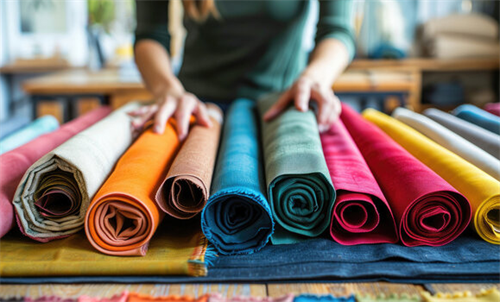
The Ultimate Guide to Picking Fabrics for Your Home: Make Your Space Comfy & Stylish
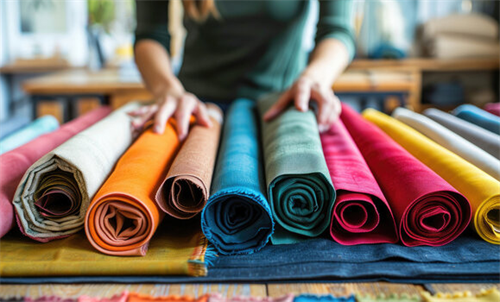
Whether it's curtains, couch covers, or throw pillows, the fabrics you pick can totally change how a room feels. They add coziness, color, and personality. But let's be real—with so many options, it can get a little overwhelming. Don't worry! This guide is here to help you choose the perfect fabrics for every season, room, and style.
Let's start with the basics: What are fabrics made of?
Natural Fibers:
-Cotton: Soft, breathable, and super easy to clean. Perfect for pretty much everything—curtains, comfy sofa covers, and even cute kitchen towels.
-Linen: Light, airy, and gives off those relaxed vibes. It wrinkles easily, but hey, that's part of its charm! Perfect for creating that "I just threw this together and it looks amazing" look.
-Wool: Warm, strong, and great for rugs or winter blankets. It's naturally stain-resistant too—bonus!
-Silk: Fancy and smooth! Best for low-traffic spots like a bedroom accent pillow or decorative drape. It's like wearing your best jewelry—save it for special moments.
Synthetic & Blended Fabrics:
-Polyester: Doesn't wrinkle much and lasts forever. Often mixed with cotton to make it even better. It's the practical choice that still looks great.
-Nylon: Tough and perfect for busy spaces—like that sofa your kids (or pets) love jumping on. Can handle whatever life throws at it!
-Acrylic: Has the soft feel of wool but requires less maintenance.Good for blankets and upholstery. It's like wool's low-maintenance cousin.
-Blends: Mixing fibers gives you the best of both worlds—softness + strength. Why choose when you can have both?
Which Fabric When? A Seasonal Guide
Spring: Time to lighten up!When the days grow longer and brighter, replace heavy winter fabrics with light, breathable alternatives. Cotton voile or linen blends in soft pastel shades can refresh your space and infuse it with a cheerful vibe.Sheer curtains are perfect for letting in that beautiful spring sunlight while maintaining privacy.It’s like bringing a refreshing breeze into your home!
Summer: When the temperature rises, you'll want fabrics that help keep things cool. Light colors reflect heat while breathable materials like cotton and linen allow air circulation. Opt for UV-resistant fabrics in sunlit rooms to protect against fading.Sheer curtains provide privacy without blocking those summer breezes. For outdoor spaces, look for quick-drying fabrics that can handle the occasional summer shower.
Fall: As the air grows crisp, it’s the ideal time to create a cozy, welcoming haven. Bring out warmer tones and textures like velvet, corduroy, or thicker cotton in rich autumn colors—think burnt orange, deep red, or olive green.Layering is key—mix textures by, for example, draping a chunky knit throw over a sleek cotton sofa.Thermal-lined curtains can also help retain warmth as the weather cools.
Winter: This is the season for maximum coziness. Wool throws, faux fur blankets, and soft rugs add warmth and a welcoming touch to any space.Blackout curtains not only keep the cold out but also help with those long winter nights. Darker colors and heavy textures create a sense of warmth and security—perfect for hibernating until spring returns!
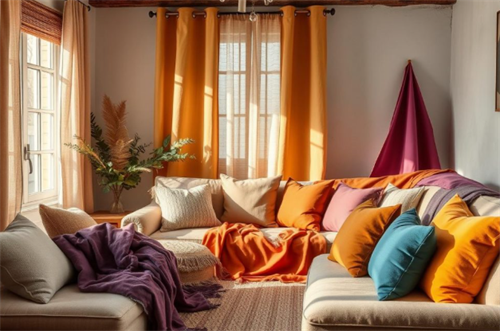
Fabrics by Room: Because Every Space Is Different
Living Room: This is where everyone gathers, so you want something durable but good-looking. Microfiber and tight weaves are great if you have kids or pets. For curtains, go with light-filtering styles—they're practical and pretty. Think about pattern placement—busy designs can mask stains more effectively than solid colors. 8. And remember pillow covers—they’re a simple, budget-friendly way to refresh your decor!
Bedroom: Softness rules here. This is your private retreat, so select fabrics that are soft and comfortable to the touch. Cotton, linen, or even silk make your bed and windows feel extra inviting. Blackout curtains = better sleep. Thank us later! Consider layering different textures—a smooth cotton duvet with a chunky knit throw creates visual interest and comfort.
Kitchen & Dining: Spills happen. A lot. Choose easy-wipe materials like vinyl, oilcloth, or treated cotton. Fun patterns can hide stains too For dining chairs, consider removable, washable covers—they'll save you so much stress! Curtains in these areas should be easy to clean and not too long—nobody wants fabric dragging through dinner preparations.
Bathroom: Moisture-friendly is the way to go. Synthetic blends or quick-dry fabrics keep things fresh and mold-free. Look for mildew-resistant treatments if your bathroom doesn't have great ventilation. Window treatments should provide privacy while still allowing light—consider moisture-resistant blinds with fabric accents rather than full fabric curtains in very damp spaces.
Match Your Style: Fabrics That Speak Your Language
Modern: Showcases clean lines, solid colors, and durable fabrics that resist stains and are easy to care for. Keep it simple and elegant—nothing overly complicated.Metallic accents and geometric patterns work well here. The focus is on "sleek"—every element should feel deliberate and free of clutter.
Traditional: Rich textures like velvet, silk, or damask. Go for classic patterns and deeper tones. Think floral prints, stripes, and detailed embroidery. This style highlights sophistication and heritage—choose fabrics that showcase skilled craftsmanship and enduring techniques.
Boho: Mix it up! Macramé, embroidery, tassels, and global prints. More is more! Feel free to mix patterns and textures—the aim is to craft a space that feels curated and uniquely yours.Natural fibers and handmade touches are essential for achieving that carefree, worldly vibe.
Coastal: Light, airy, and breezy. Whites, light blues, linens, and cottons bring the beach vibe home. Stripes, nautical patterns, and natural textures enhance the theme. Keep everything light and bright—it should feel like a permanent vacation by the sea!
Scandinavian: Simple, functional, and cozy. Neutral colors, natural materials, and emphasis on comfort. Think wool throws, cotton textiles, and lots of texture contrast. The idea centers on "hygge"—designing cozy, welcoming spaces that foster comfort and happiness.
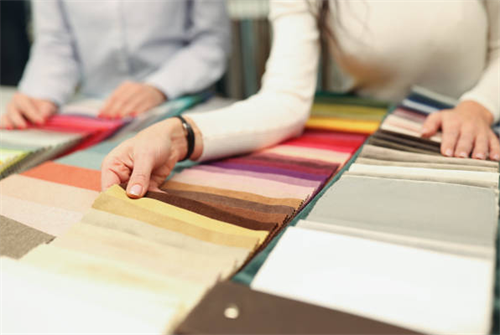
Curtains 101: How to Choose Without the Confusion
Light Control:
-Sheer: Lets light in, keeps it private during the day. Perfect for living rooms and spaces where you want to maintain a connection with the outdoors.
-Semi-Sheer: Soft light + a bit more coverage. Ideal for bedrooms where you desire privacy while still letting in natural light.
-Blackout: For total darkness (hello, Saturday morning sleep-in!). Essential for bedrooms, especially if you work night shifts or have street lights outside your window.
Lining Matters:
Thermal lining = energy savings. Keeps warmth inside during winter and cool air in during summer—your energy bills will thank you!
Blackout lining = better sleep + privacy. Also provides additional insulation and protects your main fabric from sun damage.
Interlining = extra luxury and protection. Adds weight and improves how your curtains hang, making them look more expensive.
Length & Width Tips:
-Width: Always measure the rod, not the window. You'll want enough fabric to create nice folds when closed.
-Length: Just touching the floor looks clean. Too long = tripping hazard. Too short = awkward high-water pants look.
-Pro tip: Hang curtains higher than the window frame to make your ceilings look taller!
Pro Tips: Make Your Fabrics Last Longer
Check the cleaning code before you buy! Some fabrics are safe for machine washing, while others must be dry cleaned. This can make a big difference in long-term maintenance costs.
Sunlight can fade colors—use linings or UV-resistant fabric in bright rooms. Rotate cushions and curtains now and then so they wear evenly.
Address stains immediately! Blot (don't rub) and use the appropriate cleaner for the fabric type. Keep a stain removal guide handy in your laundry area.
For frequently used items like sofa covers, consider having duplicates so you can wash one while using the other.
Eco-Friendly Options
An increasing number of brands now provide fabrics made from recycled materials, such as polyester derived from plastic bottles!Look for certifications like GOTS or OEKO-TEX® if you want to go green. These ensure the fabrics are produced sustainably and without harmful chemicals. Natural fibers like organic cotton, linen, and hemp are also great eco-choices—they're biodegradable and require less processing than synthetic alternatives. Remember: choosing quality fabrics that last longer is also environmentally friendly—fast home decor isn't so different from fast fashion!
Whether you're going for cozy winter vibes or bright summer energy, there's a perfect fabric out there for you. Don't stress—just have fun mixing textures, colors, and patterns until you find what feels like you.
RELATED GUIDES

Essential household repair skills—Save time and money for you
A faucet that drips relentlessly, a drain that refuses to swallow water, or a door that sticks on a humid day—these are the small but frustrating breakdowns of domestic life.
How to Build a Smart Home within Budget: Start with These 5 Devices
Building a smart home doesn’t mean hiring a contractor or breaking the bank. It’s more about taking small, thoughtful steps rather than making one huge leap.
How Ceiling Height Shapes Your Home—and Your Mind?
When considering home decor, you likely imagine paint shades, furniture arrangements, or comfy throw pillows.
Mastering Sealant Application: The Key to a Durable and Beautiful Home
When it comes to home improvement and interior design, many people focus on large elements—furniture, lighting, flooring, or color schemes.