
Children's Room Furniture Guide: Adjustable Design Plans for Growth
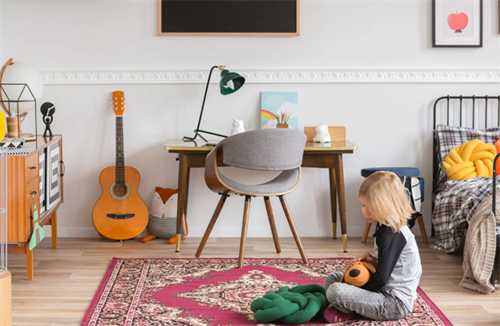
If you're a parent, you've probably stood in the middle of a children's furniture store and felt completely overwhelmed. You're trying to find that perfect balance between something your child will love today and something that will still work next year—and the year after that. Kids grow at what feels like lightning speed, and their needs, tastes, and heights change just as fast. The bright pink toddler bed shaped like a castle might be a hit now, but what about when they're ten? Or thirteen?
This is where the magic of adjustable and convertible furniture comes in. Investing in pieces that can grow and adapt with your child isn't just a smart financial decision—it's a practical one that saves you time, money, and the headache of a full-room overhaul every few years. The goal is to create a space that is not only functional and safe but also a personal haven that evolves with your child's unique personality. Let's walk through how to build a room that can keep up.
The Philosophy Behind Grow-With-Me Design
Before we dive into specific furniture pieces, it's worth understanding why this approach makes so much sense. At its core, adjustable furniture is designed to meet your needs proactively, adapting before you even realize a change is necessary. It's about recognizing that childhood isn't a single phase but a series of transitions—from toddler to child to tween to teenager. Each stage brings new activities, new storage needs, and new aesthetic preferences.
What makes this approach so effective is that it supports your child’s growth while also being kind to your wallet.1.Instead of settling for inexpensive furniture that wears out in a couple of years, choose durable, well-made pieces that can adapt and evolve as time goes on.This isn't about perfection—it's about creating a flexible foundation that can accommodate the beautiful, messy, and unpredictable journey of growing up.
Start with the Bed: The Foundation of the Room
In most bedrooms, the bed takes up the most space and tends to be the trickiest piece to adapt as children get older. The solution? Think beyond the toddler bed.
1. Cribs that Convert: Many new parents start with a crib. One of the wisest initial purchases is a crib that can convert as your child grows.These are designed to transform through multiple stages: from a standard crib for infants, to a toddler bed with a low safety rail, and often into a full-sized headboard and footboard for a double or full-sized mattress. Some even convert into a daybed. While you will need to purchase the conversion kit (and eventually a larger mattress), it eliminates the need to buy an entirely new bed frame every few years.
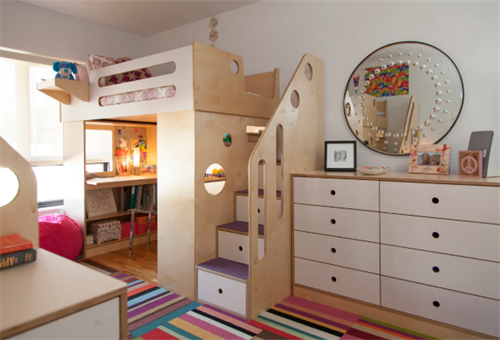
2. Low-Loft and Bunk Beds with a Future: For smaller rooms or shared spaces, bunk beds and loft beds are space-saving heroes. But look for models with flexibility. Some bunk beds can be separated into two standalone twin beds, offering longevity for siblings who might want their own space later on. Low-loft beds are another fantastic option. They provide valuable play or study space underneath for a young child and can later be fitted with a desk or a comfortable reading nook for a teenager. The trick is to pick a classic, understated design—steering clear of heavy character themes—so the piece stays stylish and suitable well into the tween and teen years.
The Changing Table Transition:
For newborns, the changing table seems essential—until suddenly it's not.Instead of investing in a separate changing table, opt for a changing pad that fastens securely on top of a regular dresser.Once diapers are a thing of the past, you simply remove the pad, and you're left with a perfectly functional dresser that will last for years. Look for dressers with rounded corners and sturdy construction that can withstand the toddler years while still looking appropriate in a teenager's room.
The All-Important Desk: From Coloring to Calculus
A surface for creativity and homework is non-negotiable, but the requirements change drastically from age five to fifteen.
1. Adjustable-Height Desks: This is arguably one of the best investments for a growing child. An adjustable desk can be raised physically (or electronically, in higher-end models) as your child gets taller. This promotes good posture from the very beginning. A preschooler can use it at its lowest setting for coloring and play-doh, while a high school student can raise it to the perfect height for studying for exams.
2. Look for Durability and Simple Style: Choose a desk made from sturdy, easy-to-clean materials like solid wood or high-quality laminate. A simple, neutral color for the desk itself (like white, natural wood, or gray) provides a timeless base. Your child can then personalize the space with fun desk accessories, lamps, and artwork that reflect their current interests, which are much easier and cheaper to change than the entire piece of furniture.
Storage Solutions: Taming the Toy Tornado
If there's one constant in a child's room, it's stuff.Toys, books, clothes, crafts, and sports gear have a way of piling up almost instantly. Smart storage is the key to maintaining sanity.
1. Modular Shelving Units: Configurable cubby-style systems offer exceptional flexibility and adaptability.You can use fabric bins for easy toy cleanup for a young child. As they grow, those same bins can store sports gear, video game controllers, or knitting supplies. Later, you can remove some bins and use the open shelves for books, trophies, and photo frames. The unit itself remains useful for decades.
2. Dressers that Do Double Duty: A classic, wide wooden dresser is a workhorse. For a baby, it also serves as a perfect changing table with the addition of a padded topper (just be sure to never leave the baby unattended!). Opt for a model with a durable changing topper that can be detached when no longer needed. As your child grows, the dresser continues its primary job of storing clothes. A well-made dresser in a classic style can easily last through college and beyond.
The Right Chair: Supporting Good Habits
Just like a desk, a chair needs to support a growing body. A chair with adjustable features pairs perfectly with an adjustable desk.
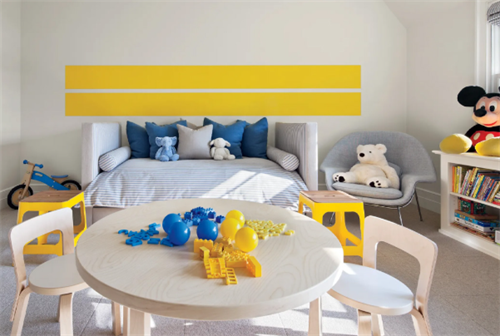
1. Ergonomic and Grow-With-Me Chairs: Look for task chairs designed for kids that feature height-adjustable seats and, if possible, adjustable footrests. This ensures their feet can always rest flat on the floor (or on the footrest) and their knees are at a proper 90-degree angle, which is crucial for developing healthy sitting habits. Many of these chairs are also on casters, making them fun for kids to move around and practical for teens who need to swivel to reach a bookshelf.
The Big Picture: Creating a Flexible Foundation
Beyond selecting individual furniture pieces, the room’s overall design approach should be flexible.
1. Color as a Key Element (and Simple to Update): Rather than painting a mural of cartoon characters that your child will soon outgrow, opt for neutral wall colors that can evolve with their tastes.Muted grays, cozy whites, soothing blues, or soft greens provide a peaceful and calming backdrop.Then, bring in color, pattern, and personality through easily changeable items: bedding, curtains, rugs, wall decals, and art. A ten-year-old might want a superhero-themed room, which can be achieved with bedding and posters. When they turn fourteen and decide superheroes are "for babies," you can simply swap those elements out for a more mature music or sports theme without repainting the entire room.
2. Adaptable Layouts: Consider arranging furniture in a way that creates distinct zones that can evolve over time. A space initially dedicated to a toy kitchen can later serve as a comfortable reading nook and eventually transform into a practical study corner. Using area rugs to delineate these zones allows the room to be easily reconfigured as needs evolve, without the hassle of moving heavy furniture.
3. Involve Your Child (Within Reason): As children get older, giving them a say in their space is important for their sense of identity. Offer them a selection of carefully chosen options that align with your adaptable plan.For instance, you could ask, “Do you like the blue quilt or the green one better?”or "Which of these three art prints do you like for over your desk?" This makes them feel ownership of their room without compromising the long-term functionality of the core furniture.
Safety Considerations Through the Years:
As your child grows and furniture changes, safety measures must adapt alongside.For toddlers, secure heavy furniture to the wall with anti-tip brackets, use corner guards on sharp edges, and ensure small parts aren't accessible. As children grow, focus on ergonomic support for studying and ensure electrical cords are properly managed. The great thing about quality adjustable furniture is that it typically incorporates safety features appropriate for each stage.
Making It Work for Your Budget:
While convertible furniture may have a higher upfront price than disposable options, it offers substantial savings over time.Think of it as spreading the cost of multiple furniture pieces over many years. You can build gradually too—start with the most crucial convertible pieces (like the crib/bed) and add others as your budget allows. Keep an eye out for sales on quality brands, and remember that good furniture often has better resale value too.
Building a child's room is a journey, not a one-time event. By choosing quality, adjustable furniture with classic lines, you're not just designing a room for a child; you're crafting a space for the young adult they will become. You'll create a home that grows alongside them, filled with memories but free from the constant need for expensive, time-consuming renovations. And that's a design plan every parent can feel good about.
RELATED GUIDES
Are Eco-friendly Paints Really 'Zero Formaldehyde'?
If you've ever walked down the paint aisle at your local home improvement store lately, you've probably noticed something.
How to sharpen kitchen knives at home?
At the center of every kitchen is a set of knives—tools we use every single day, whether for slicing vegetables, filleting fish, or carving a Sunday roast.
Home Improvement Color Matching Guide: How Natural Light Shapes Interior Color Choices
When it comes to home decor, color isn’t just about personal taste—it’s a dynamic element that shifts and evolves with the light streaming through your windows.
Are Your Smart Devices Monitoring You? A Guide to Privacy in Smart Homes
After a long day, you finally sink into the couch. With just one voice command, the lights lower, your favorite playlist starts, and the thermostat sets itself to the ideal temperature.