
The Truth About Smart Leak Detectors: Can They Prevent Disasters?
Water damage is one of the most common and costly problems homeowners face, often striking silently and causing major destruction before it’s even noticed. From hidden pipe leaks to faulty appliances, water intrusions can lead to mold growth, structural damage, and expensive repairs. In recent years, smart leak detectors have emerged as a promising solution, offering real-time monitoring and alerts. But can these devices truly prevent disasters, or are they more of a high-tech novelty? This article delves into the truth about smart leak detectors, their benefits, limitations, and whether they’re worth the investment.
Understanding Smart Leak Detectors:
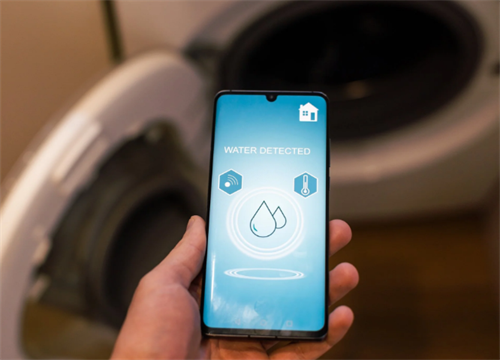
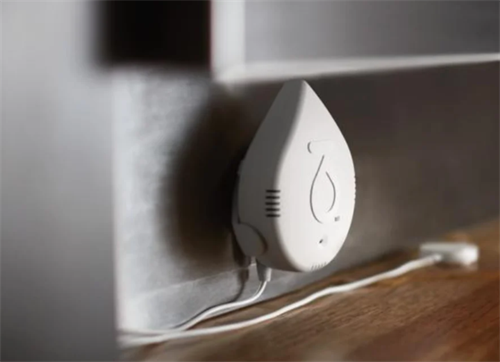
Smart leak detectors are compact, connected gadgets that monitor your home for water presence or abnormal moisture levels.Unlike traditional moisture sensors, smart leak detectors often come equipped with Wi-Fi connectivity, mobile notifications, and integration with smart home systems. When a leak is detected, the device can alert homeowners immediately through a smartphone app, potentially stopping a minor issue from turning into a major disaster.
Most smart leak detectors operate in one of two ways:
1. Water-contact sensors: These detect moisture directly by sensing water on floors, under sinks, or around appliances.
2. Flow sensors: These monitor water usage patterns and detect anomalies, such as unexpected continuous flow, which could indicate a hidden leak in pipes.
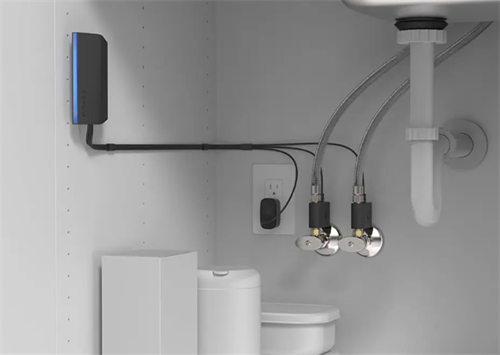
Some high-end models even integrate with smart home hubs, automatically shutting off water valves when a leak is detected, providing a hands-free emergency response.
The Benefits of Smart Leak Detectors:
1. Early Detection Saves Money
The main benefit of smart leak detectors lies in their ability to detect problems early.Water damage can escalate quickly; even a slow leak behind a wall or under a floor can compromise structural integrity and lead to mold growth within 24–48 hours. By alerting homeowners as soon as water is detected, smart leak detectors give them the opportunity to take immediate action, potentially saving thousands of dollars in repair costs.
2. Peace of Mind
For homeowners frequently away from home, smart leak detectors offer peace of mind. Whether you’re traveling for work or vacationing across the country, the ability to monitor your home remotely means you can respond to issues immediately, reducing the stress of unexpected water disasters.
3. Integration with Smart Homes
Modern smart leak detectors can be integrated into broader home automation systems. They can trigger automated responses like shutting off the main water supply, activating sump pumps, or sending alerts to emergency contacts. This level of integration significantly enhances their effectiveness, turning them from simple sensors into proactive disaster prevention tools.
4. Data Insights
Certain smart leak detectors offer insights by analyzing water usage patterns.These insights can help homeowners identify inefficient appliances, unusual spikes in water consumption, or areas prone to leaks. Over time, this data not only helps prevent damage but can also reduce water bills.
Limitations of Smart Leak Detectors:
While smart leak detectors have clear advantages, they are not a foolproof solution. Understanding their limitations is crucial for homeowners considering an investment.
1. Coverage Issues
A common challenge is coverage. Most devices are small and need to be strategically placed in areas prone to leaks, such as under sinks, behind washing machines, or near water heaters. A single detector in the basement, for example, won’t alert you to a leak in the upstairs bathroom. To achieve comprehensive coverage, multiple devices are often necessary, which can become costly.
2. Reliance on Technology
Smart leak detectors rely on Wi-Fi and electricity. If your home loses power or your internet connection drops, the device may fail to send alerts. Additionally, some devices have battery backup, but these batteries can die over time if not monitored and replaced regularly.
3. Limited Predictive Capability
While flow sensors can detect unusual water usage patterns, most smart leak detectors cannot predict leaks before they happen. They alert homeowners once water is already present or flowing abnormally. In this sense, they are reactive rather than truly preventative. Preventing pipe bursts due to freezing temperatures, corrosion, or aging infrastructure still requires regular maintenance and inspection.
4. False Alarms
Some devices may trigger false alarms due to humidity, condensation, or minor spills. While false positives are usually harmless, frequent alerts can desensitize homeowners or lead to unnecessary stress.
Placement Matters:
To get the most out of smart leak detectors, proper placement is crucial. Important locations to focus on include:
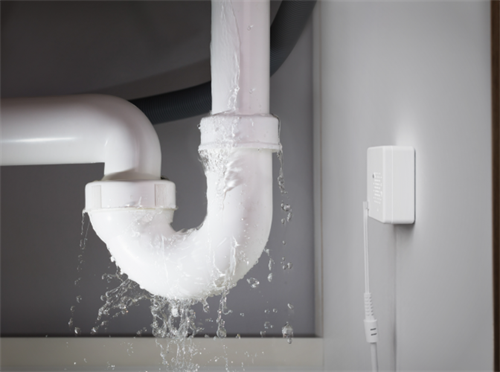
1. Under sinks and cabinets: These are common spots for leaking plumbing fixtures.
2. By water heaters: Older water heaters are susceptible to leaks and sudden ruptures.
3. Around washing machines and dishwashers: These appliances can malfunction and flood floors.
4. Basements and crawl spaces: These areas are often the first to show signs of groundwater intrusion or plumbing leaks.
5. Near sump pumps: To ensure pumps are functioning and can prevent basement flooding.
Experts recommend placing multiple detectors throughout the home for comprehensive coverage. For larger homes, this may mean deploying a dozen or more devices, depending on potential risk areas.
Choosing the Right Smart Leak Detector:
1. Detection Type: Decide whether water-contact sensors, flow sensors, or a combination is best for your home.
2. Connectivity: Ensure the device supports your home Wi-Fi network or smart home system. Some devices use proprietary hubs, while others connect directly to apps.
3. Battery Life: Check battery requirements and consider models with long-lasting or replaceable batteries.
4. Alerts: Look for devices that provide instant notifications via multiple channels, such as push notifications, emails, or SMS.
5. Integration: If you have a smart home system, ensure compatibility with platforms like Alexa, Google Home, or Apple HomeKit.
6. Automatic Shutoff: Devices that can trigger water valves or pumps automatically add an extra layer of protection.
Real-World Effectiveness:
The true test of any smart leak detector is its performance in real-world scenarios. Homeowners have reported instances where detectors prevented significant damage, such as alerting them to a slow drip from a water heater or a burst pipe before flooding spread through multiple rooms. In these cases, the devices functioned exactly as intended: providing early warning and allowing timely intervention.
However, real-world effectiveness depends on proactive use. Detectors must be properly installed, batteries maintained, and alerts monitored. A smart detector tucked away in a closet or left uncharged offers no advantage. Additionally, devices are most effective when paired with rapid response—either by the homeowner or automated systems.
Are Smart Leak Detectors Worth It?
Smart leak detectors are not a replacement for regular home maintenance, but they are a valuable supplementary tool. For homeowners with valuable property, frequent travel, or aging plumbing systems, the investment can be worthwhile. The money saved on potential repairs, along with the reassurance it provides, often justifies the initial investment.
For those considering them, here’s a simple cost-benefit perspective:
1. Low Risk, Small Home: Single-family homes with modern plumbing may benefit from a few strategically placed detectors.
2. High Risk, Large or Old Home: Multi-story homes with older pipes or multiple water appliances may require full coverage for meaningful protection.
3. Vacation Homes or Rental Properties: Remote monitoring can prevent minor issues from escalating while the property is unoccupied.
Ultimately, smart leak detectors serve as a layer of defense. They cannot prevent every water disaster, but they significantly increase the likelihood that leaks will be detected and addressed quickly.
Maintenance and Best Practices:
To maximize the effectiveness of smart leak detectors, homeowners should adopt the following best practices:
1. Regularly Test Devices: Conduct periodic tests to ensure sensors and alerts are functioning.
2. Replace Batteries Promptly: Avoid dead battery scenarios by following manufacturer recommendations.
3. Update Software: Keep device firmware and apps updated to maintain connectivity and security.
4. Combine with Preventive Measures: Inspect plumbing regularly, insulate pipes in cold weather, and maintain appliances.
5. Integrate with Smart Valves or Pumps: Automatic shutoff systems enhance protection, particularly when homeowners are away.
Even the smartest detector is only as effective as the care and attention it receives.
Smart leak detectors are a powerful tool for preventing water damage, offering early detection, remote monitoring, and integration with smart home systems. However, they are not a complete safeguard. Coverage, placement, maintenance, and prompt response all influence their effectiveness.For homeowners willing to invest in multiple devices, integrate them with smart systems, and stay vigilant, smart leak detectors can significantly reduce the risk of costly water damage. They don’t replace proactive plumbing maintenance or emergency preparedness, but they do add a high-tech safety net that can catch issues before they spiral out of control.
RELATED GUIDES
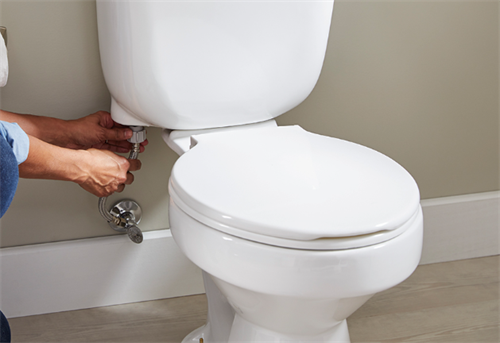
Is your toilet leaking? A simple DIY guide to fix uneven water flow in the toilet, saving you money and more money
The toilet tank is constantly refilling, or worse, water is steadily flowing into the bowl. Your first thought is one of pure dread—not just for the annoyance, but for the impending plumbing bill.
Are Your Smart Devices Monitoring You? A Guide to Privacy in Smart Homes
After a long day, you finally sink into the couch. With just one voice command, the lights lower, your favorite playlist starts, and the thermostat sets itself to the ideal temperature.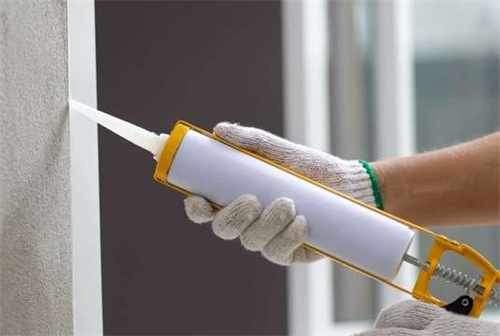
Mastering Sealant Application: The Key to a Durable and Beautiful Home
When it comes to home improvement and interior design, many people focus on large elements—furniture, lighting, flooring, or color schemes.
5 Furniture Items You Might Regret—and the Reasons Why
We all want our homes to be visually appealing, radiate warmth and comfort, and operate efficiently so that everyday life feels effortless and enjoyable.