
Sofa Cleaning: How to Care for Different Upholstery Fabrics
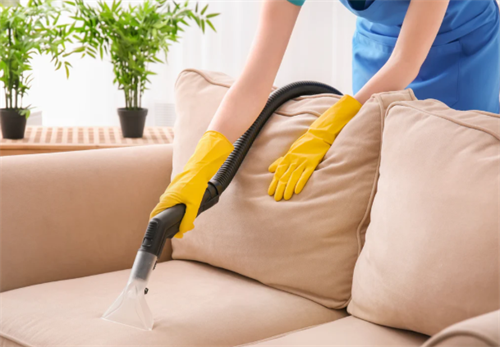
The sofa is where we relax, cuddle with loved ones, host friends, and create countless cherished memories. However, daily use also means it quietly accumulates dust, stains, and odors. Regular cleaning is not just about appearance—it’s essential for extending the sofa’s lifespan and maintaining a healthy, comfortable living environment. This comprehensive guide will walk you through everything you need to know about sofa cleaning, from identifying fabrics to mastering deep-cleaning techniques for different materials.
Step 1: Know Your Fabric – The First Rule of Sofa Care
Before you even think about grabbing a cleaner, you must identify what your sofa is made of. Using the wrong method can lead to discoloration, shrinkage, or permanent damage.
-Fabric/Upholstered Sofas: This category includes natural fibers like cotton, linen, and wool, as well as synthetic blends like polyester, olefin, and microfiber. Microfiber, in particular, is known for its durability and stain resistance, often featuring a subtle nap that requires brushing after cleaning. Natural fibers tend to be more absorbent and may require gentler cleaning methods.
-Leather Sofas: Luxurious and durable, leather requires specific care. Types include aniline (soft and natural with minimal pigment), semi-aniline (slightly treated for added durability), and protected/pigmented leather (coated for high resistance to stains and fading).
-Faux Leather/Synthetic Suede (e.g., Ultrasuede®): These are durable, often more affordable alternatives that mimic the look and feel of real leather or suede. They are generally easier to clean but can be sensitive to certain chemicals or excessive heat.
-Pro Tip: Always refer to the manufacturer’s tag for cleaning instructions, typically located on a label under the cushions or on the frame.You’ll typically find one of these letters:
W: Use water-based cleaning agents.
S: Use solvent-based cleaners only (no water).
WS: Can use either water-based or solvent cleaners.
X: Vacuum only; do not use any liquid cleaners.
Understanding these codes is your first defense against accidental damage during cleaning.
Step 2: Your Essential Sofa Cleaning Toolkit
Having the right tools on hand makes the job easier, more effective, and helps prevent damage. Using improper supplies can lead to discoloration, fiber damage, or residue buildup.
-Vacuum Cleaner with Attachments: A must-have for every cleaning session. The crevice tool is invaluable for getting into tight spaces, while the upholstery brush attachment helps gently lift dirt without harming fibers.
-Soft-Bristled Brush (or a clean, soft-bristled hairbrush): Perfect for lifting crumbs from fabric and gently agitating the pile on velvet or suede materials. A brush with natural bristles is ideal for delicate fabrics.
-White, Lint-Free Microfiber Cloths: Colored cloths can bleed dye, and terry cloth towels can leave lint behind. Microfiber is highly effective at trapping dust and absorbing moisture without scattering particles.
-Distilled Water: Tap water can contain minerals that leave residues on fabric, leading to dulling or potential staining over time.
-Mild Dish Soap: A gentle, pH-neutral option for many fabrics. Avoid soaps with moisturizers, heavy fragrances, or abrasive additives.
-White Vinegar: A natural deodorizer and cleaner that helps break down residues and neutralize odors without harsh chemicals.
-Rubbing Alcohol (70% Isopropyl): Effective for disinfecting and tackling ink stains on certain fabrics. Always test first as it can damage some materials.
-Baking Soda: The ultimate odor neutralizer. Its fine powder composition makes it ideal for penetrating fabric fibers to absorb odors.
-Commercial Cleaners: Specific leather conditioners, fabric shampoos, or foam upholstery cleaners designed for your sofa type. Always choose products specifically formulated for your specific upholstery material.
Step 3: The Universal First Step – Regular Vacuuming
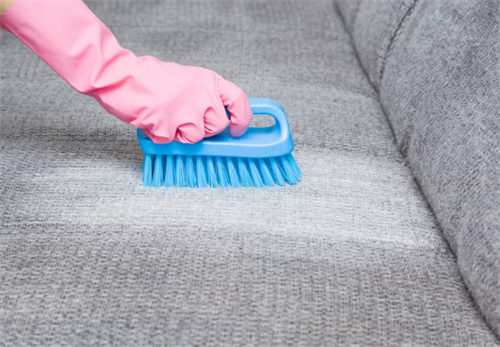
No matter the material, regular vacuuming is the most crucial step you can take.It prevents dirt and grit from embedding itself into the fibers and acting like sandpaper, wearing down the fabric over time. Dust and debris can also work their way into the cushioning, causing premature breakdown and uncomfortable seating.
How to Vacuum Effectively: Use the brush attachment and go over the entire sofa—cushions, arms, back, and base. Don't forget to remove the cushions and vacuum the deck and the crevices beneath them. For optimal results, vacuum in different directions to make sure you remove all debris. Pay special attention to seams and crevices where crumbs and dust accumulate. Do this weekly to keep dust and allergens at bay, more frequently if you have pets or children.
Step 4: Fabric-Specific Deep Cleaning Methods
For Fabric & Microfiber Sofas:
-The Spot Test: In an inconspicuous area (like the back or under a cushion), apply your chosen cleaning solution and blot. Wait for it to dry completely to check for colorfastness and any adverse reactions.
-Tackling Stains: Blot (don't rub!) fresh spills immediately with a clean, dry cloth. Rubbing can spread the stain and drive it deeper into the fibers. For set-in stains:
-For general stains: Combine a few drops of mild dish soap with a cup of warm water.Dip a microfiber cloth in the solution, wring it out until it's only damp, and gently blot the stain. Start from the outside and work your way in to avoid spreading. Rinse by softly blotting with a cloth dampened with clean water.
-For odor removal: Generously sprinkle baking soda across the entire sofa.Let it sit for at least 15 minutes, or ideally overnight. For tough odors, gently massage the baking soda into the fabric using your fingers or a soft brush.Then, vacuum it thoroughly. This will freshen it up significantly.
-Overall Cleaning: For a full clean, consider a rented upholstery steam cleaner (check your tag for a "W" or "WS" code first) or use a foam upholstery cleaner. Apply the foam, gently scrub with a soft brush, and allow it to dry fully before using the sofa. Ensure proper ventilation during drying to prevent mildew.
For Leather Sofas:
Leather is skin and needs to be nourished, not drowned. Proper care maintains its patina and prevents cracking.
-Dust and Dirt: Wipe down weekly with a soft, dry cloth to prevent abrasive particles from scratching the surface.
-Cleaning: Dampen a microfiber cloth with distilled water and gently wipe the entire surface. For a deeper clean, use a cleaner specifically formulated for leather. Never use harsh chemicals, ammonia, or alcohol on untreated leather as they can strip natural oils and cause drying and cracking.
-Conditioning: This is crucial! After cleaning and once the leather is dry, apply a quality leather conditioner using a soft cloth. Work in circular motions, following product instructions. This replenishes natural oils, prevents cracking, and maintains suppleness. Do this every 6-12 months, or more frequently in dry climates.
Stains: Blot spills immediately with an absorbent cloth. For oil-based stains, sprinkle cornstarch or talcum powder to absorb the oil before gently wiping. Avoid excessive moisture when addressing stains.
For Faux Leather & Synthetic Suede:
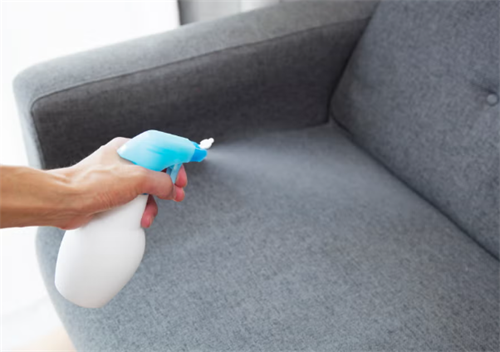
Routine Cleaning: These materials are often easier to clean. A simple wipe-down with a damp cloth is usually sufficient for regular maintenance.
Stains: Use a mild soap and water solution. Avoid abrasive scrubbing, as it may scratch or damage the surface.For tougher stains, consult the manufacturer's recommendations.
Drying: Always dry thoroughly with a clean cloth to prevent water spots and potential water damage to the underlying material.
Step 5: Daily Habits for a Pristine Sofa
Prevention is better than cure. Incorporating these simple habits can significantly reduce the need for deep cleaning and extend your sofa's life.
-Sun Protection: Keep your sofa out of direct sunlight to prevent fabric fading and leather drying. Use curtains or blinds during peak sun hours to protect your investment.
-Treat Immediately: Address spills the moment they happen. The more time a stain sits, the tougher it becomes to eliminate. Keep your cleaning supplies handy for a swift response to spills.
-Consider Slipcovers: For fabric sofas, washable slipcovers offer brilliant protection, especially in homes with children or pets. They can be easily removed and cleaned, protecting the underlying upholstery from daily wear and tear.
-No Eating Zones: Establishing a no-eating policy on the sofa can significantly reduce the risk of crumbs and spills, though this may not be practical for all households.
A well-maintained sofa doesn't just look beautiful—it becomes a lasting centerpiece of your home. By understanding its material and giving it the care it deserves, you ensure it remains a comfortable and welcoming haven for years of relaxation and joy to come. Regular maintenance not only preserves your sofa's appearance but also protects your investment, ensuring you enjoy both comfort and style for many years.
RELATED GUIDES
Is Your Sofa Toxic? Understanding Flame Retardants and How to Avoid Them
You’ve probably spent more time on your sofa over the past few years than ever before. It’s been your office, your movie theater, your weekend nap zone, and the spot where you unwind after a long day.
How to Build a Smart Home within Budget: Start with These 5 Devices
Building a smart home doesn’t mean hiring a contractor or breaking the bank. It’s more about taking small, thoughtful steps rather than making one huge leap.
Are Your Smart Devices Monitoring You? A Guide to Privacy in Smart Homes
After a long day, you finally sink into the couch. With just one voice command, the lights lower, your favorite playlist starts, and the thermostat sets itself to the ideal temperature.
Whole House Audio vs. Smart Speakers: Which Audio System Is Right for You?
Music isn’t merely background—it can shape the atmosphere, influence your mood, and enrich daily life.As technology has advanced, homeowners now have multiple ways to enjoy audio throughout their homes.