How to Maintain Solid Wood Furniture?
Solid wood furniture embodies a unique blend of natural beauty, warmth, and timeless craftsmanship. However, like any living material, wood responds to its environment. It breathes, expands, contracts, and reacts to changes in temperature and humidity. Proper care isn’t just about cleaning; it’s about understanding and respecting the innate character of the wood. This comprehensive guide will walk you through the essential practices to preserve the splendor and integrity of your solid wood furniture for years to come.
Part 1: Understanding the Nature of Wood
The single most important principle of wood care is to work with its natural properties, not against them. Think of it as understanding the wood’s "personality."
Wood is hygroscopic, which means it naturally takes in and releases moisture from the surrounding air.This causes it to slightly expand in humid conditions and contract in dry ones. This constant, subtle movement is a natural feature of high-quality solid wood furniture, but sudden or drastic changes can cause issues.
-Avoid Extreme Humidity: During humid summers or in damp climates, avoid placing furniture directly next to windows where it can be exposed to rain or condensation. Prolonged exposure to high humidity can cause the wood to expand, potentially damaging the joinery or making the drawers stick.
-Beware of Excessive Dryness: Conversely, arid conditions, especially those caused by heating systems in winter, can sap moisture from wood, leading to cracking, splitting, or loosening of joints. It's essential to place furniture away from direct heat sources such as radiators or fireplaces.
-Drafty Areas are a Danger Zone: Consistent, strong airflow from vents, fans, or drafty windows can cause uneven drying on one side of a piece, leading to warping or cracking over time.
Part 2: The Art of Cleaning: Why Water is the Enemy
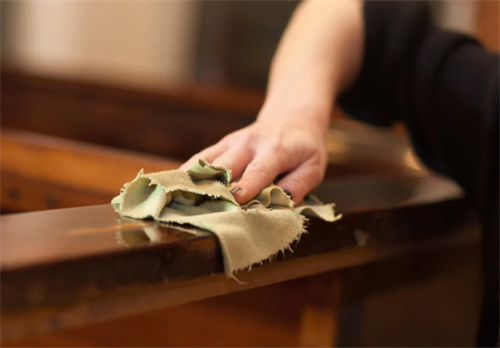
This is the most common mistake people make in wood care: using a wet cloth to clean solid wood furniture. Moisture can seep into the grain, causing warping, swelling, or even long-term damage to the finish, so it’s important to always use a dry or slightly damp, well-wrung cloth instead.
Water is wood’s natural adversary. When water is applied from a rag, it doesn’t penetrate evenly; it sits on the surface before evaporating, potentially leaving water marks or rings. More critically, it can seep into seams and cracks, causing localized swelling and, over time, compromising the finish and the wood itself.
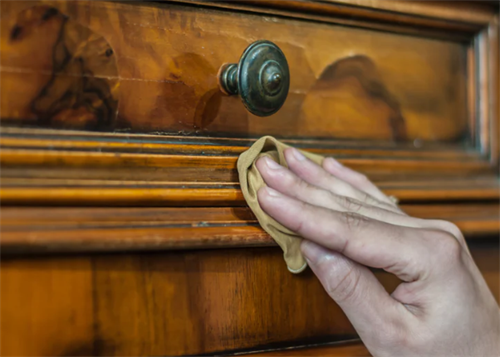
-The Right Way to Dust: Use a soft, lint-free microfiber or cotton cloth. Dust gently and regularly to prevent abrasive particles from scratching the surface. For intricate carvings or turnings, a soft-bristled brush (like a clean paintbrush) is perfect for dislodging dust from crevices.
-Tackling Sticky Spills and Stains: For more than just dust, slightly dampen your microfiber cloth with water, then wring it out completely until it feels almost dry to the touch. Wipe the surface and immediately follow with a dry cloth to buff away any moisture. Apply it to the cloth, not the furniture, and always test it on an inconspicuous area first.
Part 3: The Sun and Your Sofa Table: Guarding Against Light Damage
The sun’s rays are a silent saboteur of beautiful wood finishes, gradually fading rich colors, drying out the surface, and leaving behind a dull, brittle appearance that robs furniture of its original charm.
-UV Damage: Direct and prolonged sunlight will cause the wood’s color to fade and change over time. Rich, dark woods can lighten, while vibrant tones can become muted. This damage is often irreversible.
-Heat Damage: Intense sunlight also generates heat, which can dry out the wood prematurely, leading to cracking and checking (small cracks in the wood grain).
-Protection Strategy: Position valuable pieces away from direct sunlight. Use curtains, blinds, or UV-filtering window film to diffuse strong light.Frequently changing the placement of accessories on surfaces such as tabletops can promote even aging of the wood.
Part 4: The Ritual of Nourishment: Polishing and Waxing
While modern finishes are durable, periodic nourishing helps protect the surface and enhance the wood’s depth and luster.
-Polishing: A good quality furniture polish (not an all-purpose cleaner) adds a protective layer that fills microscopic imperfections, reduces the appearance of minor scratches, and provides a beautiful shine. Spray the polish onto your cloth and apply in broad, even strokes following the grain.
-Waxing (For Oil-Finished or Unsealed Wood): Wax provides a deeper, richer protection and is often used on traditional or antique pieces. It requires more effort but offers a sublime, soft-luster finish. Use a paste wax and apply a thin, even coat with a cloth, let it haze over, and then buff vigorously with a clean, soft cloth. Crucial Tip: Always ensure the surface is impeccably clean before applying any polish or wax, as you could trap dust underneath and create scratches.
Part 5: Practical Protection in Daily Life
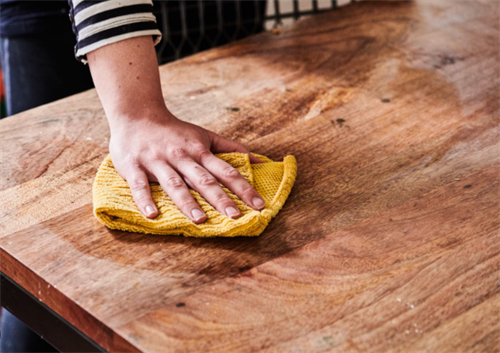
Integrating simple habits into your routine is the best defense, because small, consistent actions—like wiping surfaces properly, protecting wood from direct sunlight, and using the right cleaning products—can prevent long-term damage and Maintain your furniture's appearance for years to come.
-Use Coasters and Pads: Always use coasters for drinks, and place mats under hot dishes. Avoid placing hot items directly on the wood, as this can cause white heat marks that are difficult to remove.
-Lift, Don’t Drag: When moving objects on a wood surface, lift them instead of sliding them to prevent scratches.
-Use a Tablecloth or Pad: For dining tables, a tablecloth or a felt pad under a table runner can provide excellent protection during daily use.
Part 6: Addressing Common Accidents
"Even with the best care, accidents happen—spills, scratches, or sudden dents are sometimes unavoidable, no matter how careful you are, which is why knowing how to respond quickly can make all the difference in preventing lasting damage.
-White Heat Rings: These are often in the finish, not the wood itself. Try gently rubbing the spot with a non-gel toothpaste or a specialized product for removing heat marks. Always test first!
-Minor Scratches: For light surface scratches, a wood-touch up marker or a walnut (rub the meat of a walnut into the scratch) can work wonders by filling and coloring the blemish.
-Sticky Residue: Use a small amount of mild dish soap on a damp cloth, wipe the area, and dry immediately. For tougher glue or sticker residue, a little rubbing alcohol on a cloth can work, but use it sparingly and with caution, as it can damage some finishes.
Part 7: When to Call a Professional
Some issues are best left to experts. If your furniture experiences significant damage—deep scratches, major cracks, structural instability, or a finish that is extensively damaged—consult a professional furniture restorer. Their expertise can bring a beloved piece back to life without risking further damage.
By following these principles, you are not just maintaining a possession; you are stewarding a story, ensuring it can be told and appreciated for generations to come.
RELATED GUIDES

The Kitchen Work Triangle: The Ultimate Guide to Designing a Efficient, Enjoyable Culinary Space
The kitchen is more than just a utilitarian space for preparing meals; it’s a vibrant hub where morning coffee fuels the day’s ambitions.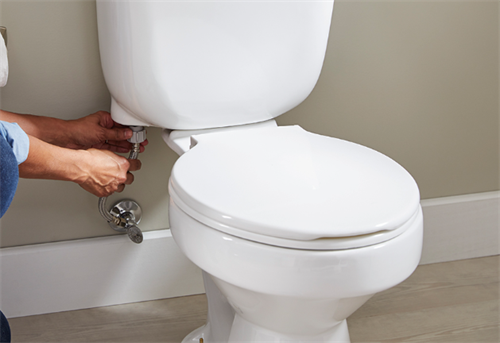
Is your toilet leaking? A simple DIY guide to fix uneven water flow in the toilet, saving you money and more money
The toilet tank is constantly refilling, or worse, water is steadily flowing into the bowl. Your first thought is one of pure dread—not just for the annoyance, but for the impending plumbing bill.
Is Your Sofa Toxic? Understanding Flame Retardants and How to Avoid Them
You’ve probably spent more time on your sofa over the past few years than ever before. It’s been your office, your movie theater, your weekend nap zone, and the spot where you unwind after a long day.
Sofa Cleaning: How to Care for Different Upholstery Fabrics
The sofa is where we relax, cuddle with loved ones, host friends, and create countless cherished memories. However, daily use also means it quietly accumulates dust, stains, and odors.