Marble vs. Quartz Countertops: The Ultimate Guide for Your Kitchen Remodel
Hey there, home renovators and kitchen lovers!
Let’s talk about one of the biggest decisions you’ll make during a kitchen remodel: the countertops. Whether you’re an avid cook, a busy parent, or just someone who loves a good-looking kitchen, your choice of countertop material can make or break the heart of your home.
We’ve all been there—standing in the showroom, staring at slabs of marble and quartz, wondering which one is really worth the investment. Both look stunning. Both promise durability. But which one truly stands up to daily life?
I did the research, talked to experts, and even chatted with a few sales associates (who spilled the real tea). Here’s what I learned.
It All Starts With the Material:
What Is Marble, Really?
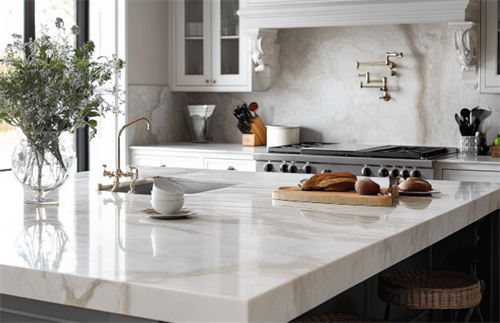
Marble is a natural stone created when limestone is transformed by intense heat and pressure over millions of years.Timeless and sophisticated, each slab is unique.Think of those beautiful, soft veins running through white or gray backgrounds—it’s a look that says “luxury” like nothing else.
There’s also engineered marble (often called cultured marble), which is made by mixing crushed marble with resins and pigments. It mimics the look of real marble but usually at a lower cost.
The catch?Natural marble is porous, meaning its small holes and veins can absorb liquids, stains, and even bacteria if not sealed correctly.
So What About Quartz?
Quartz countertops are engineered stone products. They consist of roughly 90–95% crushed natural quartz combined with polymers, resins, and color pigments.This means they’re non-porous, consistent in color and pattern, and extremely durable.
Because they’re human-made, you can get quartz in almost any color or finish—even designs that mimic natural marble, concrete, or granite.
Fun fact: The higher the quartz content, the stronger and more natural the slab will look. If the resin content goes over 10%, the quality drops significantly.
Durability: Which One Handles the Heat?
1. Marble: Beautiful but High-Maintenance
Marble is soft compared to other stones. It scratches easily. It stains if you spill wine, oil, or coffee and don’t wipe it up immediately. It also reacts to acids—like lemon juice or vinegar—which can etch the surface and leave dull spots.
Sealing can help, but it’s not a one-time thing. You’ll need to reseal marble periodically to keep it protected.
If you’re someone who loves baking (think rolling dough directly on the counter) or enjoys cooking with citrus, marble might not be your best friend.
2. Quartz: Tough as Nails
Quartz is very tough and can withstand scratches, stains, and high temperatures.It doesn’t require sealing. Spills wipe right off. It won’t harbor bacteria or absorb odors.
That makes it ideal for busy kitchens where you chop, mix, spill, and clean without a second thought.
A brief warning: Even though quartz handles heat well, you shouldn’t put very hot pans directly on its surface.Use a trivet—better safe than sorry!
Beauty & Aesthetics: Which Looks Better?
1. The Timeless Appeal of Marble
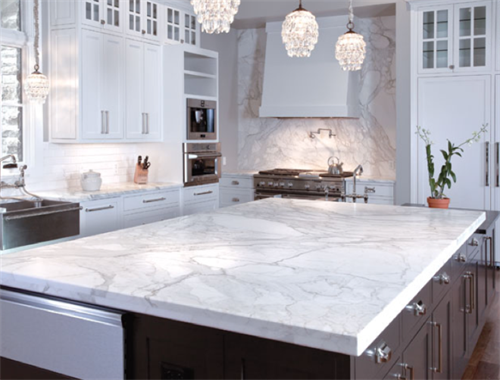
There’s no denying it—marble is gorgeous.It imparts a sense of enduring elegance, refinement, and organic beauty that’s hard to duplicate. Each slab is unique. If you want a kitchen that feels like a French patisserie or an Italian villa, marble is the way to go.
But finding a large, consistent slab with the veining you love can be challenging—and expensive. Customization is limited since it’s a natural product.
2. The Consistent Charm of Quartz
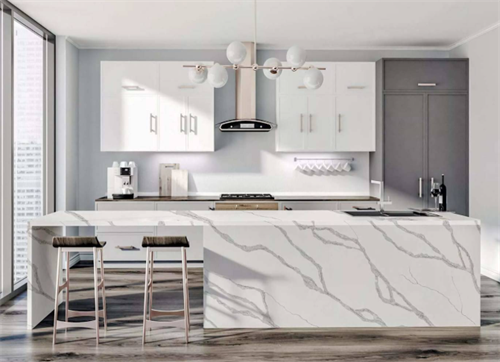
Quartz offers incredible design flexibility. You can choose from solid colors, speckled patterns, or even veining that looks strikingly similar to marble—without the maintenance headaches.
It’s also easier to get a seamless look since quartz slabs are uniform and can be fabricated with nearly invisible joints.
If you’re going for a modern, clean, or highly customized kitchen, quartz gives you more control.
Price & Value: What’s the Better Investment?
1. Marble: High Cost, High Maintenance
Natural marble is expensive. Prices typically range from $60 to $200 per square foot, depending on the type and quality. Installation is also more involved, and you may need additional support underneath due to its weight.
Then there’s the upkeep—yearly sealing, careful cleaning, and avoiding abrasive tools.
2. Quartz: Mid-Range Price, Low Maintenance
Quartz typically ranges from $50 to $150 per square foot.While it’s not cheap, it often delivers better value because it doesn’t require ongoing maintenance.
It’s also less likely to need repairs or replacement over time, making it a smarter long-term investment for most households.
Which Should You Choose?
1. You Might Prefer Marble If:
You absolutely love the natural, high-end look and are willing to maintain it.
You don’t do a lot of heavy cooking or meal prep.
You’re okay with the idea of your countertops developing a “patina” (aka signs of use) over time.
2. Quartz Is Probably Better If:
You want a low-maintenance, highly durable surface.
You cook frequently and need something stain- and scratch-resistant.
You favor a uniform look and a wider range of color choices.
You’re looking for the best balance of beauty and practicality.
Installation & Long-Term Care
1. Installing Marble
Marble is heavy and may require additional cabinetry support. Seams may be more visible due to its natural patterning. Always work with a professional experienced in handling natural stone.
2. Installing Quartz
Quartz is also heavy but more uniform, making seam placement less noticeable. It’s easier to work with but should still be installed by a certified professional to avoid cracking during handling.
3. Daily Care Tips
-Marble: Use pH-neutral cleaners only. Avoid vinegar, citrus, or abrasive pads. Reseal every 6–12 months.
-Quartz: Easy to clean with mild soap and water. Avoid excessive heat and sharp impact near edges.
Sustainability & Environmental Impact
If you’re eco-conscious, here’s what to consider:
1. Marble: Is a natural resource. Quarrying can be energy-intensive and impact local ecosystems. However, it’s a timeless material that can last generations if well-maintained.
2. Quartz: Often uses recycled materials like glass or stone scraps. Manufacturing requires energy, but many brands now offer low-VOC and eco-friendly options.
Look for suppliers who practice responsible sourcing or offer recycling programs for old countertops.
For most people, quartz is the practical choice. It’s durable, low-maintenance, and offers great value over time. But if you have your heart set on marble, just go in with your eyes open. Take the time to learn about the maintenance it needs, and be ready to embrace it wholeheartedly, appreciating its unique character and imperfections along the way.
Ultimately, your kitchen should not only showcase your personal style but also function in a way that complements and enhances your daily routines and lifestyle needs.Whether you choose marble or quartz, make sure it’s a choice you’ll be happy with for years to come.
RELATED GUIDES
Marble vs. Quartz Countertops: The Ultimate Guide for Your Kitchen Remodel
Hey there, home renovators and kitchen lovers!Let’s talk about one of the biggest decisions you’ll make during a kitchen remodel: the countertops.
The Kitchen Work Triangle: The Ultimate Guide to Designing a Efficient, Enjoyable Culinary Space
The kitchen is more than just a utilitarian space for preparing meals; it’s a vibrant hub where morning coffee fuels the day’s ambitions.
5 Furniture Items You Might Regret—and the Reasons Why
We all want our homes to be visually appealing, radiate warmth and comfort, and operate efficiently so that everyday life feels effortless and enjoyable.
How to Build a Smart Home within Budget: Start with These 5 Devices
Building a smart home doesn’t mean hiring a contractor or breaking the bank. It’s more about taking small, thoughtful steps rather than making one huge leap.